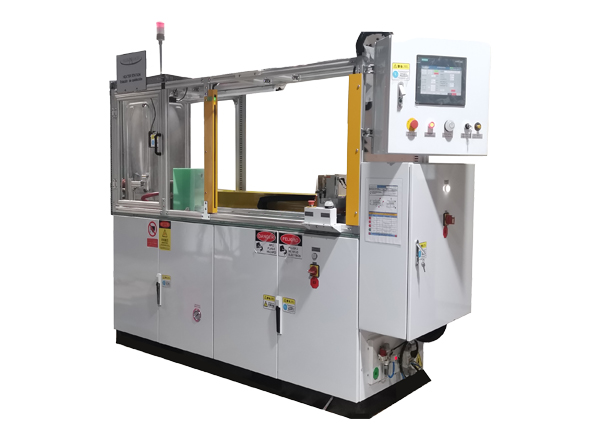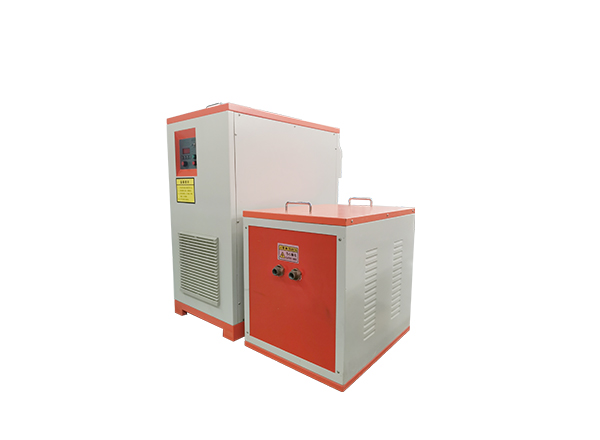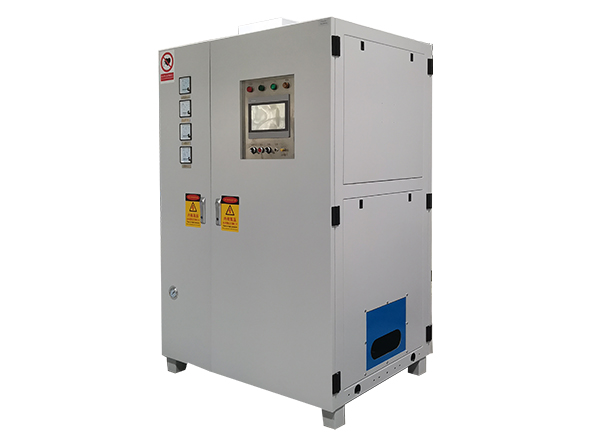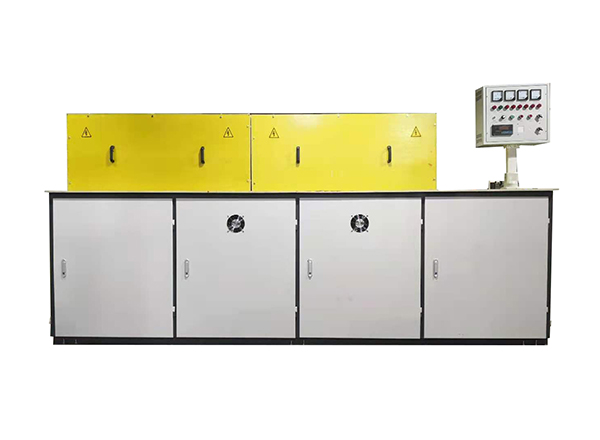

Hardware tool sockets come in a wide variety of specifications and models, from common 6-point and 12-point sockets to various special-purpose sockets. They differ in size, wall thickness, and material, resulting in significant variations in the required heating processes. By changing different specifications of induction coils and using flexible parameter adjustments, the heating needs of different types and sizes of sockets can be easily met.
Whether it's overall heating of the sleeve, localized heating (such as heating the sleeve port), or various processes such as quenching, annealing, tempering, and hot assembly, the system provides stable and reliable heating support. This flexible adaptability eliminates the need for frequent equipment changes, reducing equipment investment costs and improving equipment utilization.
The core components utilize high-quality electronic components and durable mechanical structures, ensuring high stability and reliability. The device's induction coil is made of special high-temperature and wear-resistant materials, capable of withstanding prolonged high-temperature operating environments without damage. The cooling system employs an efficient water circulation cooling method, which effectively dissipates the heat generated during operation, ensuring the device remains at an optimal working temperature and significantly extending its lifespan. Through rigorous quality testing and aging tests, the device is guaranteed to operate stably even in harsh production environments, reducing maintenance frequency and downtime, and providing strong support for continuous production in enterprises.
The medium-frequency induction heating equipment for hardware tool sockets is designed and manufactured with full consideration of operator safety and equipment operational safety. The equipment is equipped with comprehensive safety protection devices, such as leakage protection, overcurrent protection, overvoltage protection, water shortage protection, and temperature protection, preventing safety accidents from multiple angles. At the same time, the heating area and the operating area of the equipment are clearly separated, preventing operators from directly contacting high-temperature workpieces and heating components and avoiding burns. In addition, the electrical system of the equipment adopts an anti-interference design, effectively avoiding safety risks such as fire and electric shock caused by electrical faults. High safety not only guarantees the safety of operators but also reduces the economic losses caused by safety accidents to the enterprise.