-
Define key performance parameters.
Electrical parameters: Inductance (e.g., 10μH), DC resistance (DCR), rated current (to prevent overheating), and Q-factor (quality factor, which affects energy loss).
Frequency compatibility: Specify the operating frequency range (e.g., low frequency: 1 kHz–1 MHz; high frequency: above 10 MHz), as high-frequency coils are more sensitive to parasitic parameters.
-
Determine physical structure and dimensional constraints.
Form factor constraints: Maximum outer diameter, inner diameter, and height (e.g., φ10mm × 5mm); requirements regarding hollow centers, magnetic cores, or encapsulation.
Termination method: Lead length, pitch, and material (e.g., tinned copper wire); requirements for terminals or connecting wires.
-
Selecting suitable materials: directly affects performance and stability.
Winding Wire: Wire type (e.g., enameled wire—commonly copper, or silver wire for high-frequency applications), wire gauge (e.g., 0.1 mm), and insulation material (temperature rating, such as Class 155°C).
Magnetic Core (if applicable): Selection based on frequency; ferrites or silicon steel laminations for low frequencies, and iron powder cores or nanocrystalline cores for high frequencies. Core model and dimensions must be specified.
Bobbin/Encapsulation: Bobbin material (e.g., ABS, ceramic) and encapsulation material (e.g., epoxy resin for moisture resistance/high-temperature tolerance).
-
Design the details of the winding process: determine the consistency and performance of the coil.
Winding methods: dense winding, sparse winding, multi-layer winding (interlayer insulation needs to be considered), honeycomb winding (reduces distributed capacitance, suitable for high frequency).
Number of turns and arrangement: precise number of turns (e.g. 50 turns), whether segmented winding or taping is required (multi-winding design).
-
Meets environmental and reliability requirements.
Environmental parameters: operating temperature range (e.g., -40°C to 125°C), humidity, and resistance to vibration or corrosion.
Reliability standards: Compliance with tests for thermal shock, aging resistance, and insulation resistance (e.g., >100 MΩ); pre-shipment testing (e.g., inductance accuracy of ±5%, measured DCR, and current surge resistance) to prevent performance deviations.



 en
en  cn
cn  jp
jp  ko
ko  de
de  es
es  it
it  ru
ru  pt
pt  vi
vi  th
th  pl
pl 


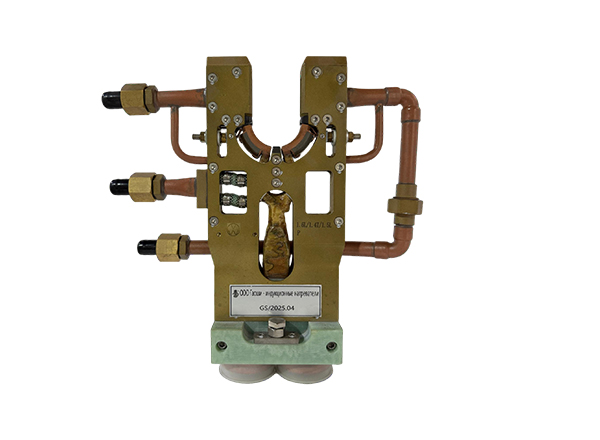


 GS-ZP-50